
By Promise Aid/Alinn Zet
© Promise Aid/Alinn Zet
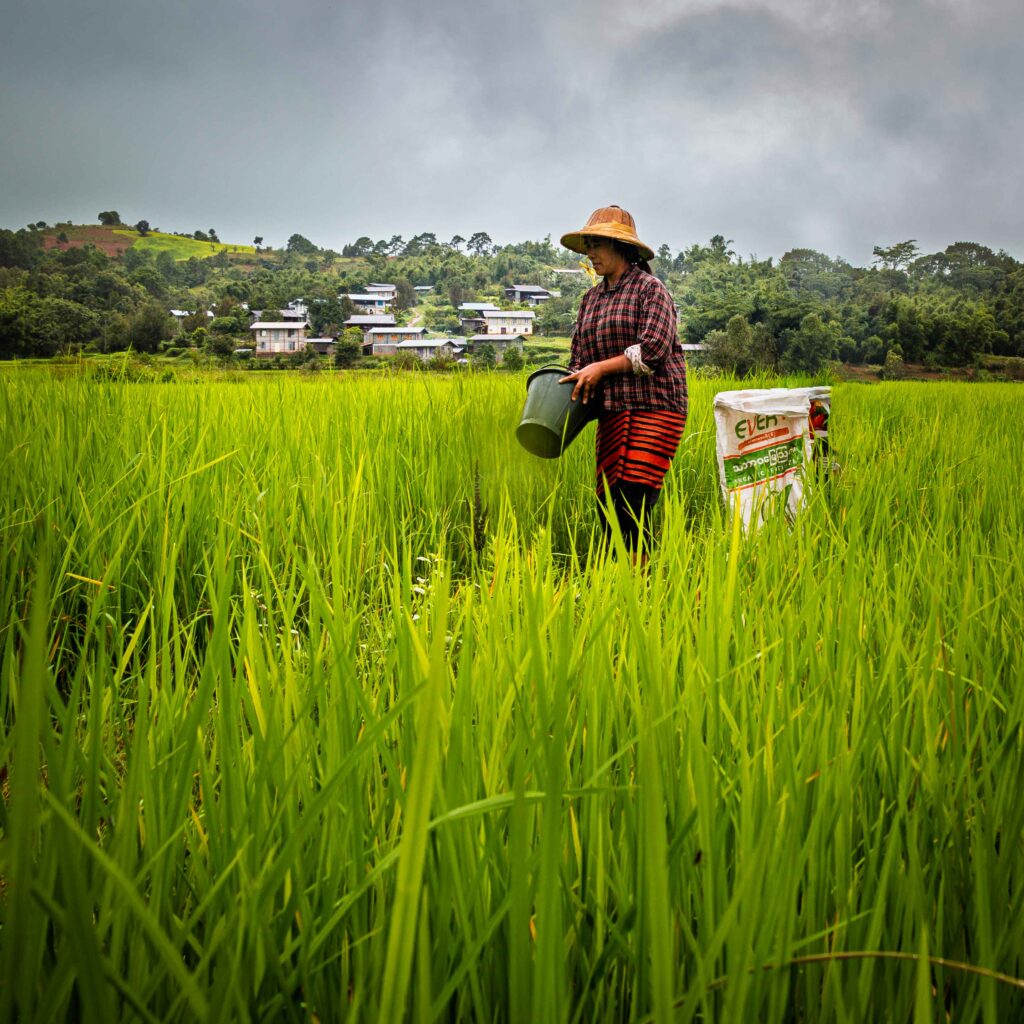
In a small village surrounded by wide green fields, Daw Hla stands barefoot in the mud, scattering fertilizer across the rice paddies. A fine rain drizzles from the gray sky, and the cold air clings to her skin, but her hands move steadily and without hesitation. Farming is not just her livelihood—it is her life.
“My mother farmed this land, and her mother before her,” she says softly. “This land feeds our children.”
For generations, women like Daw Hla have been the quiet strength behind Myanmar’s agriculture. They plant, weed, harvest, dry the grains, manage household food, and care for their families—often all at once.
The Strength: Fertile Land and Unbreakable Spirit
Myanmar has long been known as the “Rice Bowl” of the region. And women farmers are at the heart of that story.
“Our land is good,” Daw Hla says with a hopeful smile. “If we have water and good seeds, this soil can feed many people.”
The strengths of Myanmar agriculture are clear:
- Rich Soil
The land remains naturally fertile, especially in the delta and central regions.
- Resilience
Women farmers work tirelessly despite economic hardship, conflict, and climate shocks. They rarely give up—even when the harvest fails.
- Traditional Knowledge
They carry generations of wisdom about seasons, planting cycles, and seed preservation.
Yet strength alone is no longer enough.
The Weakness: A Heavy and Unequal Burden
© Promise Aid/Alinn Zet
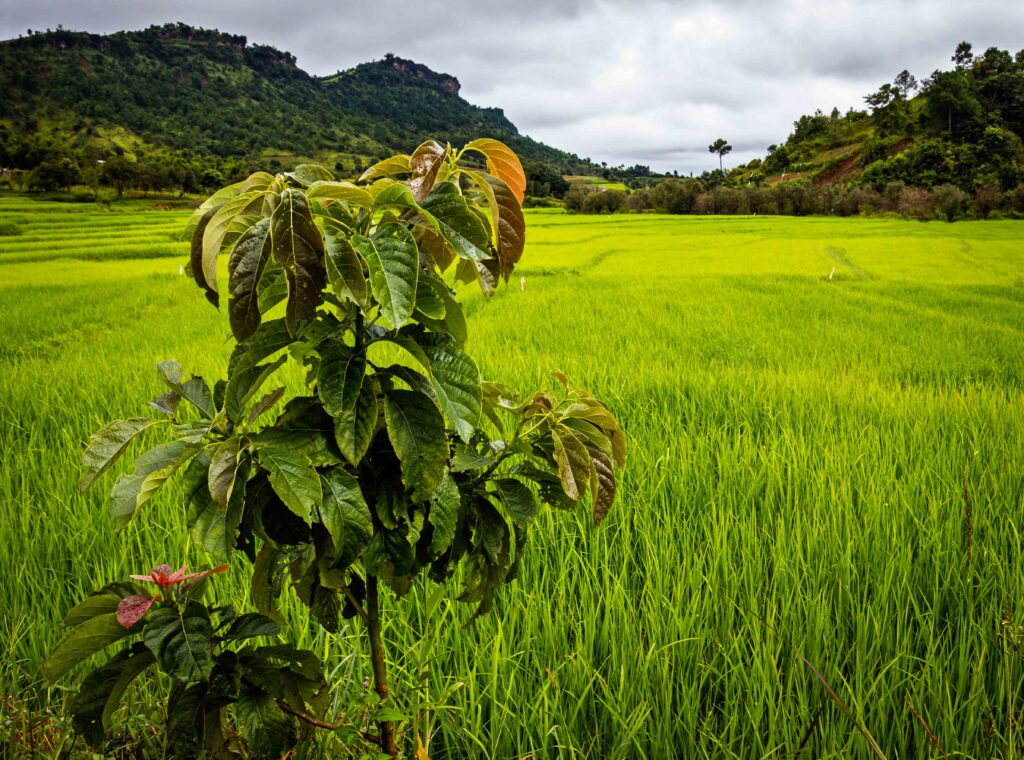
The “Rice Bowl” is cracking.
“The weather is not like before,” Daw Hla explains. “Sometimes there is no rain when the seedlings need it. Other times, the floods wash everything away.”
Women farmers face the same challenges as all farmers—but often with fewer resources and less support.
The weaknesses affecting rural communities include:
- Climate Change
Erratic rainfall, extreme heat, and flooding are reducing crop yields.
- Rising Costs
The price of fertilizer, fuel, and quality seeds has tripled. Many families are trapped in cycles of debt.
- Conflict and Displacement
In some areas, farmers cannot safely reach their land or bring crops to market.
- Limited Access to Training
Women often have less access to agricultural training, financial services, and decision-making power.
Despite carrying much of the workload, their voices are often unheard.
The Missing Piece: Knowledge and Quality Inputs
© Promise Aid/Alinn Zet
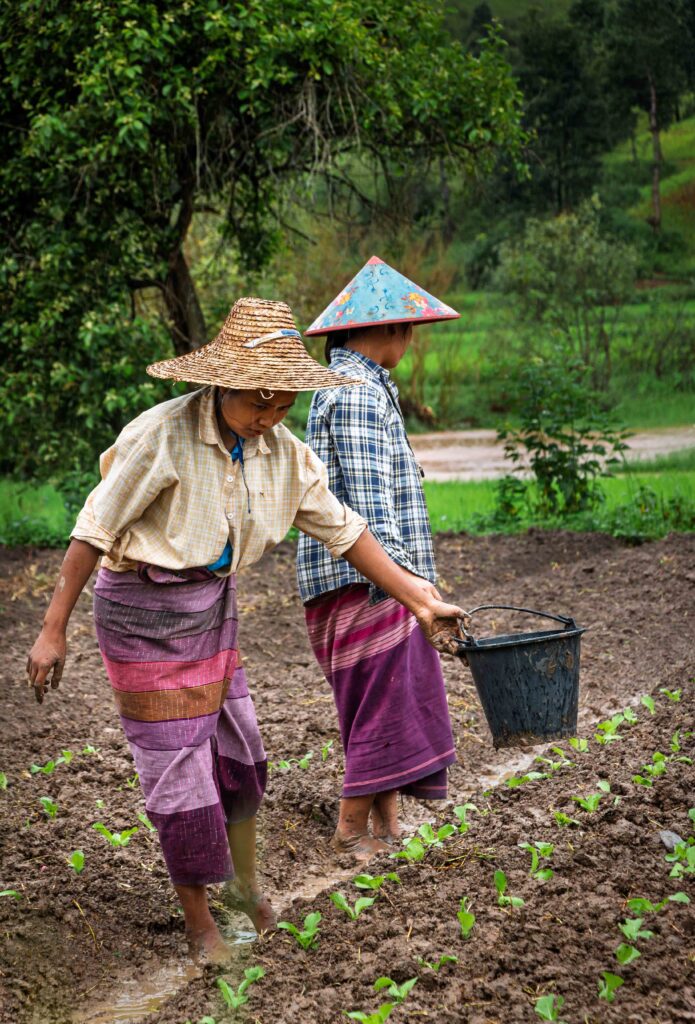
Ma May, a farmer like many women in her village, does not ask for charity. She asks for opportunity.
“We are not looking for a hand-out,” she says, wiping the rain from her face. “We want a fair chance to grow our crops and care for our families. We want to stand on our own feet again.”
To survive and thrive, farmers like Ma May need more than financial aid.
- Technical Awareness
Training in Climate-Smart Agriculture can help women farmers adapt to changing weather patterns. With better water management, soil conservation methods, and safer, more sustainable pest control, they can protect their harvests even in uncertain seasons.
- Climate-Resilient Seeds
Seeds that can survive drought or flood are essential in today’s unpredictable climate. With stronger seed varieties, Ma May can reduce the risk of losing everything after one bad storm.
- Affordable, Organic Fertilizers
Healthy soil is the foundation of every harvest. Access to affordable, organic fertilizers helps maintain soil fertility and ensures that the land can continue feeding future generations.
With the right tools, knowledge, and support, women like Ma May can restore not only their productivity—but also their confidence and hope for the future.
Why Your Support Matters
© Promise Aid/Alinn Zet
At Promise Aid, we work to bridge this gap. We provide training, climate-resilient seeds, and practical support to farmers like Daw Hla and Ma May.
When you donate, you are not simply giving a bag of seeds.
You are:
-
Strengthening a mother’s ability to feed her children
-
Protecting local food systems
-
Investing in long-term food security for Myanmar
Together, we can ensure that the hands that feed the nation are supported, respected, and empowered.
Together, we can turn resilience into a lasting harvest.